On the ground in Las Vegas: Highlights from UNLEASH America 2026
aston holmes
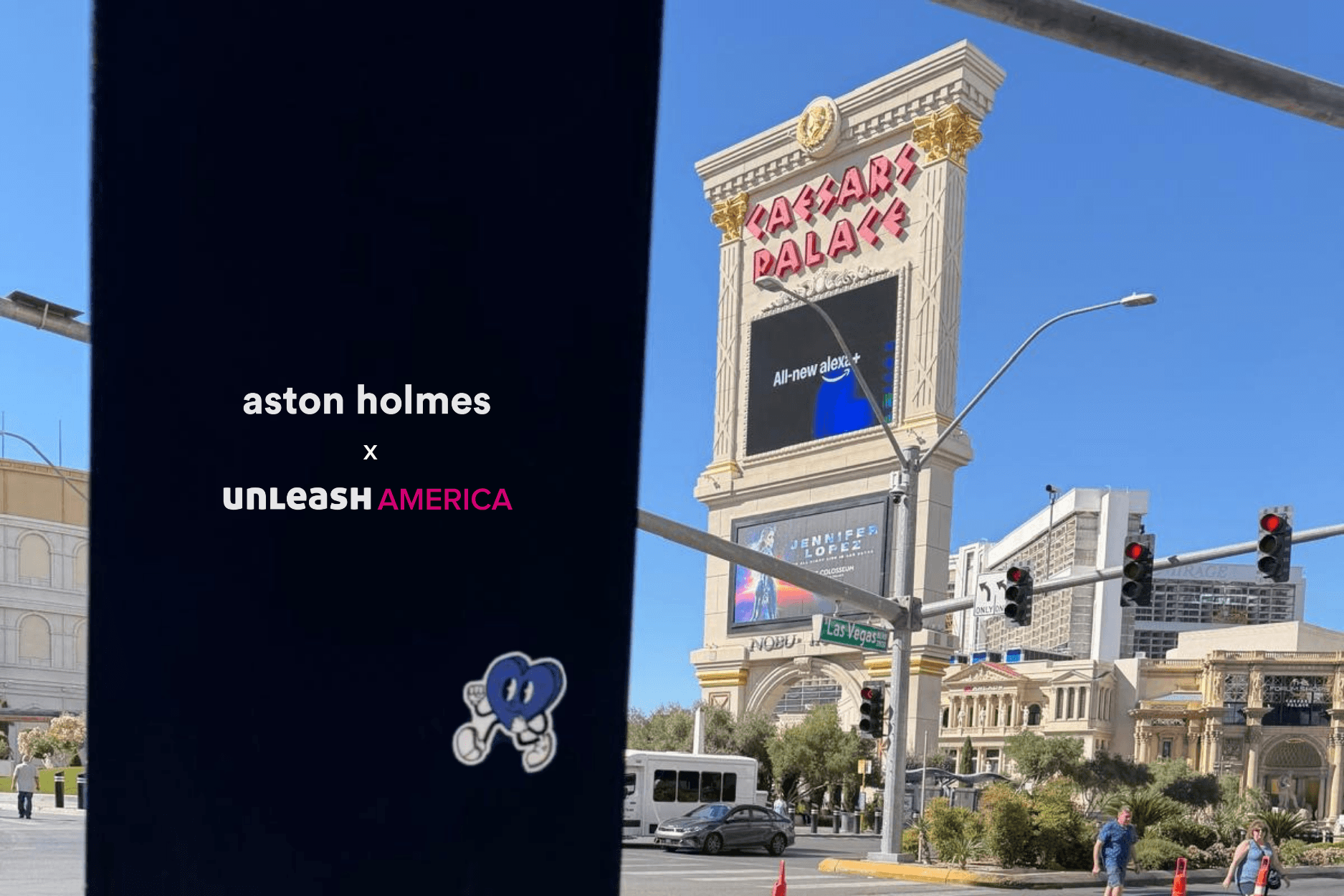
Walking away from UNLEASH America, it became clear that the future of work is emerging through the everyday choices, conversations and priorities already playing out across organisations. Being on the ground this year, and exhibiting for the first time, added a valuable layer of perspective. It allowed us not only to observe these conversations, but to actively take part in them – engaging directly with HR leaders, peers and partners who are grappling with these questions in real time. From formal sessions to informal conversations on the exhibition floor, the experience reinforced how much progress happens in dialogue, not theory.
AI featured heavily throughout the event, though the conversation felt notably more grounded than expected. Jaime Teevan’s perspective helped reset expectations by anchoring AI firmly in how work is already being done today. For HR, this brings a different kind of opportunity into focus. Rather than centring attention on speed of deployment, the more pressing question is how AI becomes part of collaborative work, decision‑making and organisational culture in a considered way. Teevan highlighted the risk of introducing AI without clear intent, where poorly designed use cases can add friction, increase cognitive load and dilute accountability instead of improving how teams actually work together.
Trust was another recurring theme, particularly in how organisations listen and respond to their people. In sessions focused on feedback and conversation quality, HR leaders openly acknowledged that many feedback mechanisms are not delivering the insight organisations expect. While sentiment data is readily available, translating that information into learning and action remains challenging. What is beginning to shift is the nature of the conversation, moving away from capturing feedback for its own sake and towards using it as a basis for experimentation, adaptation and improvement. Psychological safety, in this context, was described as creating space for honest dialogue, including conversations that may feel uncomfortable but are necessary for meaningful progress.
Compliance also featured in more strategic discussions. With workforces becoming increasingly distributed and remote, compliance by design is taking on new significance. How organisations interpret, communicate and embed compliance reflects broader values around fairness, consistency and trust. For many, this has moved beyond meeting regulatory requirements to thinking more deliberately about how compliance supports a cohesive employee experience across regions.
Bringing these threads together, a clear pattern began to take shape. The future of HR is being shaped through alignment and coherence, linking people strategy to business outcomes, technology decisions to organisational values and listening efforts to visible action.
UNLEASH America did not present a single blueprint for the future of work. Instead, it highlighted a shared responsibility across HR leaders to shape that future with intent. As organisations continue to navigate change, those that emerge strongest are likely to be the ones that make deliberate, thoughtful choices about how technology and humanity work together.